 Image 1 of 1
How Green Was My Valley (1941)
£0.00

Country: US
Technical: bw 118m
Director: John Ford
Cast: Walter Pidgeon, Maureen O'Hara, Anna Lee, Donald Crisp, Roddy McDowall, Sara Allgood
Synopsis:
As the scion of a Welsh mining family prepares to leave the valley, he looks back over the years his father and brothers gave to the community, and the impossible love of his sister.
Review:
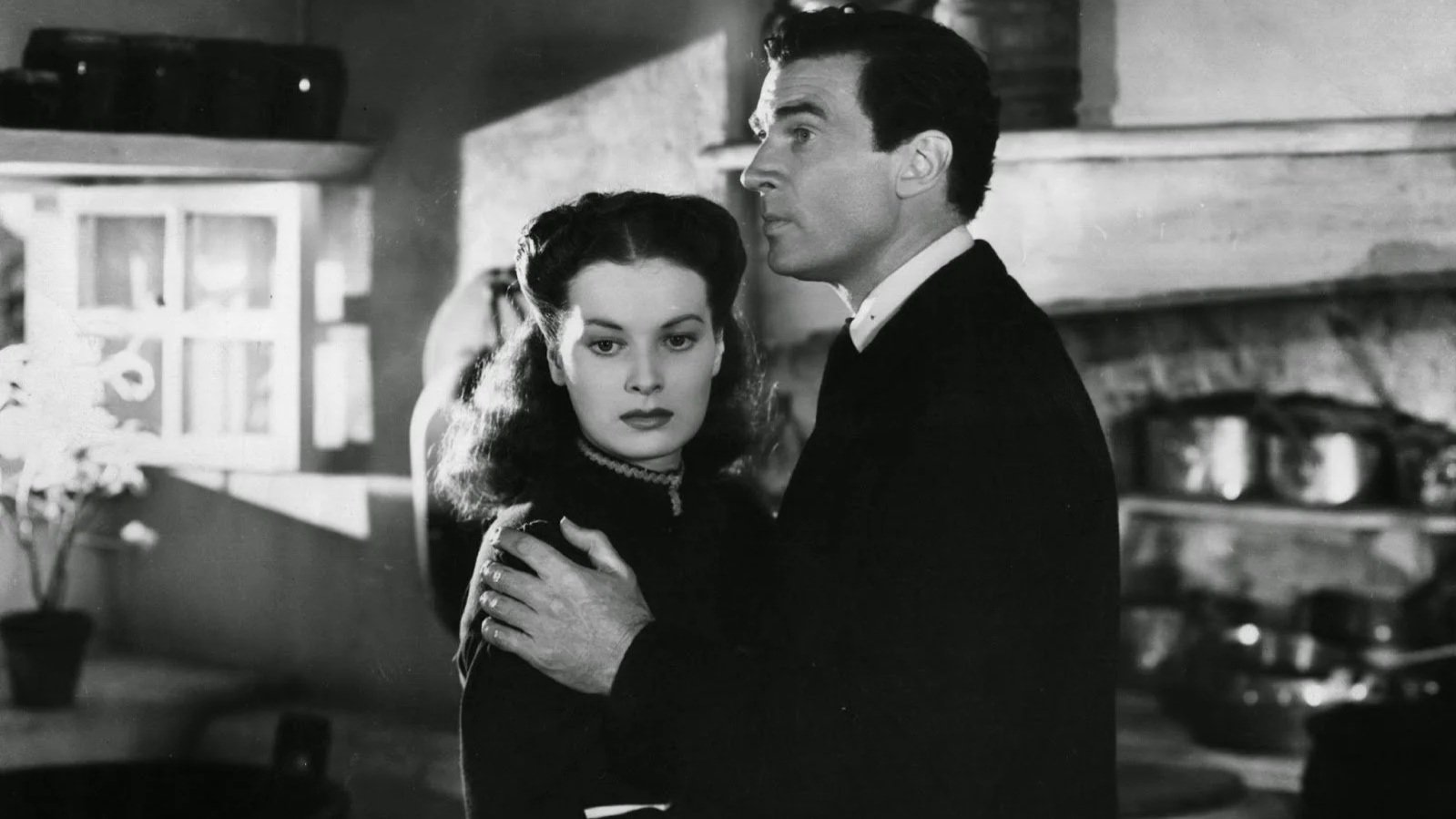
Ford's last film before joining in the war effort is a classic Fox prestige picture, a portrait of the valleys as only Hollywood could depict them, just a bit too lush and the hills just a bit too tall. It is a magnificent set, nonetheless, the terraces arching up to the pit (and chapel) at the top. The issues are the familiar ones: reduced wages because of cheaper labour, strike, personal tragedy, fire and flood, and two of the sons leaving to go to America. But this is no Germinal, the cottages are deceptively roomy, and poverty never really seems to bite. The patriarch (Crisp) is a patient and just man with respect for God and his employer, but enough a realist to want better for his youngest (McDowall in a key early role); Allgood is the all giving Earth mother; and there is plenty of Welsh singing and a modest amount of drinking. At times Ford's reverence for these 'stout-hearted, simple folk' is almost too much to bear, and the apotheosis ending leaves a few threads hanging, but for most of its length this is magnificently visual storytelling, with low-angled compositions and close-ups in abundance, affirming indisputably how so much has changed.
Country: US
Technical: bw 118m
Director: John Ford
Cast: Walter Pidgeon, Maureen O'Hara, Anna Lee, Donald Crisp, Roddy McDowall, Sara Allgood
Synopsis:
As the scion of a Welsh mining family prepares to leave the valley, he looks back over the years his father and brothers gave to the community, and the impossible love of his sister.
Review:
Ford's last film before joining in the war effort is a classic Fox prestige picture, a portrait of the valleys as only Hollywood could depict them, just a bit too lush and the hills just a bit too tall. It is a magnificent set, nonetheless, the terraces arching up to the pit (and chapel) at the top. The issues are the familiar ones: reduced wages because of cheaper labour, strike, personal tragedy, fire and flood, and two of the sons leaving to go to America. But this is no Germinal, the cottages are deceptively roomy, and poverty never really seems to bite. The patriarch (Crisp) is a patient and just man with respect for God and his employer, but enough a realist to want better for his youngest (McDowall in a key early role); Allgood is the all giving Earth mother; and there is plenty of Welsh singing and a modest amount of drinking. At times Ford's reverence for these 'stout-hearted, simple folk' is almost too much to bear, and the apotheosis ending leaves a few threads hanging, but for most of its length this is magnificently visual storytelling, with low-angled compositions and close-ups in abundance, affirming indisputably how so much has changed.