 Image 1 of 1
Nickel Boys (2024)
£0.00

Country: US
Technical: col/1.33:1 140m
Director: RaMell Ross
Cast: Ethan Herisse, Brandon Wilson, Aunjanue Ellis-Taylor
Synopsis:
Florida, 1960s: a black boy, raised by his grandma, accepts a lift on his first journey to College and finds himself indefinitely consigned to a reformatory. There he befriends another boy, who comes to play a pivotal role in his life.
Review:
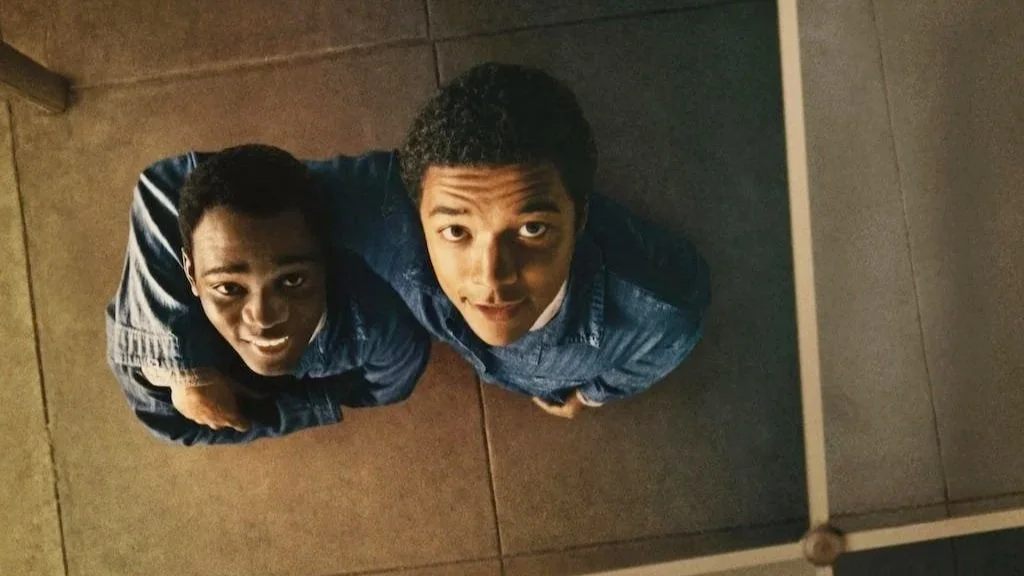
Filmed in first person POV, and combining closeup shallow focus with other disorienting techniques, such as selfie stick aesthetics to suggest an out of body experience, this exhaustively crafted film mystifies where often it might simply narrate; sound is poorly balanced to make many lines inaudible, and we lurch from one event in time to another, leaving little sense of chronology. No doubt the makers are seeking to distance themselves from the conventional civic rights drama exemplified by Kramer's The Defiant Ones, quoted in the film, but, as with Moonlight (2016), the attempt to create a distinctive film language for independent black cinema risks alienating the very middlebrow audiences it should be addressing.
Country: US
Technical: col/1.33:1 140m
Director: RaMell Ross
Cast: Ethan Herisse, Brandon Wilson, Aunjanue Ellis-Taylor
Synopsis:
Florida, 1960s: a black boy, raised by his grandma, accepts a lift on his first journey to College and finds himself indefinitely consigned to a reformatory. There he befriends another boy, who comes to play a pivotal role in his life.
Review:
Filmed in first person POV, and combining closeup shallow focus with other disorienting techniques, such as selfie stick aesthetics to suggest an out of body experience, this exhaustively crafted film mystifies where often it might simply narrate; sound is poorly balanced to make many lines inaudible, and we lurch from one event in time to another, leaving little sense of chronology. No doubt the makers are seeking to distance themselves from the conventional civic rights drama exemplified by Kramer's The Defiant Ones, quoted in the film, but, as with Moonlight (2016), the attempt to create a distinctive film language for independent black cinema risks alienating the very middlebrow audiences it should be addressing.