 Image 1 of 1
A Royal Affair (2012)
£0.00
(En kongelig affære)

Country: DK/SV/CZ/GER
Technical: col/2.35:1 137m
Director: Nikolaj Arcel
Cast: Alicia Vikander, Mads Mikkelsen, Mikkel Boe Følsgaard, Trine Dyrholm, Søren Malling
Synopsis:
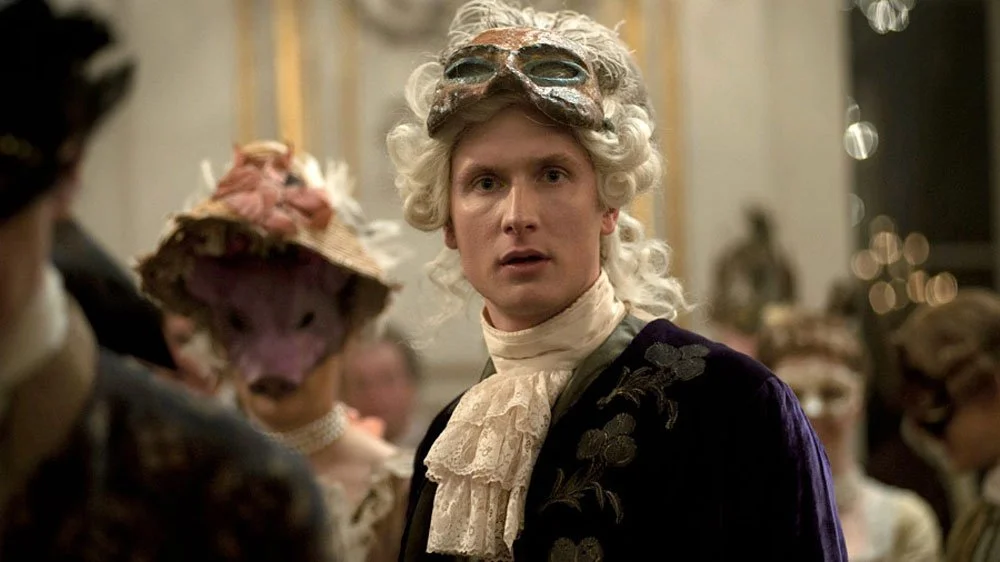
Denmark, the 1770s: mad King Christian is manipulated to introduce progressive legislation by his enlightened physician, with whom the Queen falls in love.
Review:
Rather in the style of The Duchess (2008), typically this Danish piece of history seems less concerned with the queen's infidelity and the pollution of the bloodline (which has a regenerative effect in the person of the young Prince Frederik), than with the contagion of new ideas taking hold of the simple-minded king. Carefully laid indicators like the watchful negro servant, an incriminating key, even the dowager mother's own eye-witnessing of contact between the couple, all come to nought; far more damnable are Struensee's German blood, atheism and radical views on budgetary matters. This may be to expose the hypocrisy of the Danish court of the time, but it has the effect of sapping the energy from the central story, which is after all Caroline's, not Johann's. While there is some attempt to soften the lines in the characterisations so that they are not black and white, a general thoroughness leads to over-length.
(En kongelig affære)
Country: DK/SV/CZ/GER
Technical: col/2.35:1 137m
Director: Nikolaj Arcel
Cast: Alicia Vikander, Mads Mikkelsen, Mikkel Boe Følsgaard, Trine Dyrholm, Søren Malling
Synopsis:
Denmark, the 1770s: mad King Christian is manipulated to introduce progressive legislation by his enlightened physician, with whom the Queen falls in love.
Review:
Rather in the style of The Duchess (2008), typically this Danish piece of history seems less concerned with the queen's infidelity and the pollution of the bloodline (which has a regenerative effect in the person of the young Prince Frederik), than with the contagion of new ideas taking hold of the simple-minded king. Carefully laid indicators like the watchful negro servant, an incriminating key, even the dowager mother's own eye-witnessing of contact between the couple, all come to nought; far more damnable are Struensee's German blood, atheism and radical views on budgetary matters. This may be to expose the hypocrisy of the Danish court of the time, but it has the effect of sapping the energy from the central story, which is after all Caroline's, not Johann's. While there is some attempt to soften the lines in the characterisations so that they are not black and white, a general thoroughness leads to over-length.